‘Enough is Enough’: Pauline Hanson Demands Immediate Ban on Foreigners Owning Australian Homes Amid Growing Housing Crisis
In a move that has reignited the fiery national debate over housing affordability and sovereign rights, One Nation leader Pauline Hanson has issued a provocative call for a total and permanent ban on non-citizens purchasing residential property in Australia. The Queensland Senator’s latest intervention comes just days after she made headlines for demanding mass deportations, signaling a significant escalation in her “Australia First” platform. As the nation grapples with record-low vacancy rates and skyrocketing property prices, Hanson’s rhetoric has struck a chord with a disillusioned segment of the electorate who feel increasingly locked out of their own Great Australian Dream.
Taking to social media to articulate her stance, Senator Hanson was characteristically blunt: “Foreigners who aren’t Australian citizens shouldn’t own Australian homes.” The statement, which quickly generated a wave of praise from her supporters on platform X (formerly Twitter), centers on a fundamental belief that home ownership should be a privilege reserved exclusively for those who hold an Australian passport. For Hanson, the current system is not merely a failure of economics, but a betrayal of the social contract between the government and its citizens.

The catalyst for this latest surge in anti-foreign ownership sentiment is a series of revelations regarding the Labor Government’s first home buyers scheme. Recent data revealed that approximately 50,000 permanent residents—individuals who are not yet Australian citizens—have been permitted to utilize the taxpayer-funded 5% deposit scheme. Senator Hanson expressed particular outrage over reports that this scheme has been advertised in multiple foreign languages, including Arabic and Chinese, suggesting that the government is actively prioritizing non-citizens over native-born Australians in the queue for affordable housing.
“Your taxes are helping people who aren’t Australian citizens buy a first home in Australia,” Hanson wrote in a widely shared post. “Not only are they pushing up home prices for everyone, they’re getting into a home that should have gone to an Australian citizen. Enough is enough. Cut off the benefits, cut migration, ban foreign ownership and start deporting.” This multi-pronged attack links the housing crisis directly to immigration levels and foreign investment, a narrative that has historically resonated during times of economic hardship in Australia.
While critics argue that foreign buyers account for a relatively small percentage of the total housing market, Senator Hanson remains undeterred by the numbers. She previously informed Parliament that even if non-citizens only own a sliver of the market, that “small percentage” still equates to roughly 108,000 dwellings across the country. In the context of a severe housing shortage, Hanson argues that these 108,000 homes represent a vital resource that is being denied to Australian families. Her policy proposal is radical: a permanent ban on foreign ownership of residential property, coupled with a two-year “grace period” for current foreign owners to sell their holdings.
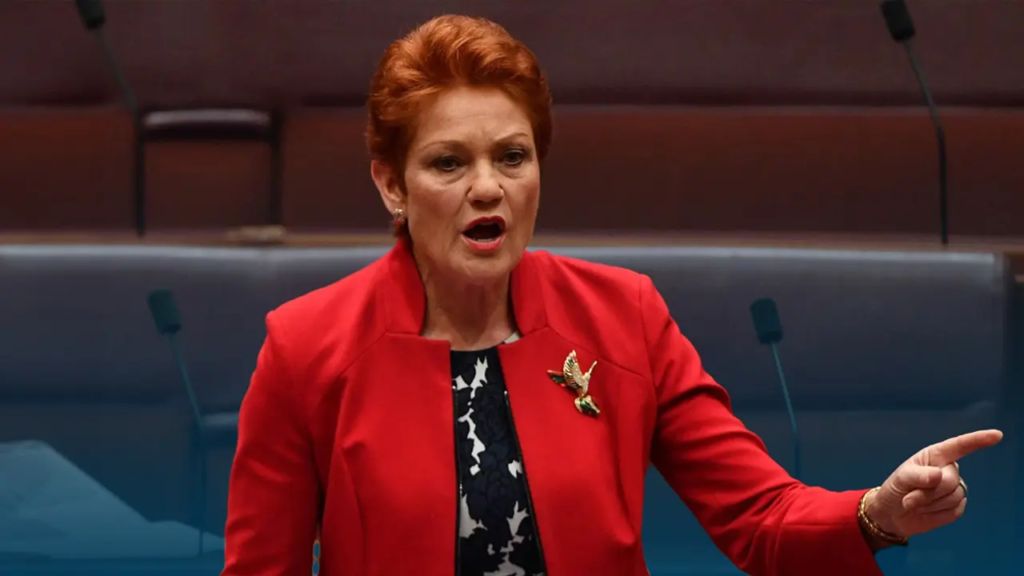
The proposed transition period is designed to prevent a sudden “flooding” of the market, which could lead to a catastrophic crash in property values—a concern often raised by economists when discussing such bans. However, the Senator’s plan includes a harsh ultimate penalty: if a property owned by a non-citizen is not sold within the two-year window, it would be repossessed by the federal government. “We must put Australia and Australians first,” she reiterated, framing the issue as a matter of national security and social cohesion.
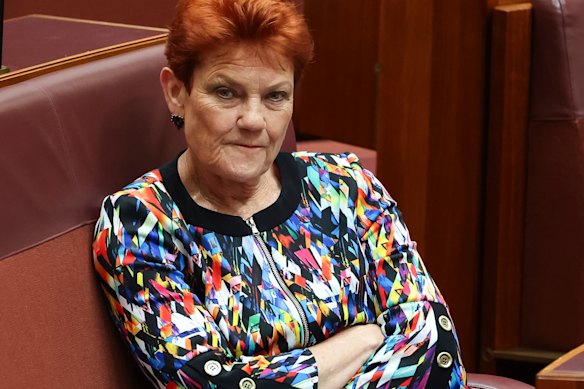
The current legal landscape in Australia already includes some restrictions on foreign buyers. Since April 1st of last year, temporary residents and foreign-owned companies have been largely banned from purchasing existing dwellings for a period of two years. However, the existing legislation is riddled with exceptions, particularly for investments that are deemed to “significantly increase housing supply” or support commercial-scale availability. For Hanson and the One Nation party, these loopholes render the current ban ineffective, allowing foreign capital to continue flowing into the domestic market under the guise of “development.”
The public reaction on social media suggests that Hanson’s message is falling on fertile ground. Many Australians on X have called for even stricter measures, including a crackdown on dual citizenship and the cancellation of citizenships for those who do not demonstrate “loyalty” to Australian culture. Author Harris Sultan was among those voicing support for a more aggressive approach, writing: “And Australian citizens who owe their loyalties to other cultures/countries need to have their citizenships cancelled and deported.” This sentiment reflects a growing anxiety about the erosion of national identity and the perceived “foreign invasion” of Australian institutions and assets.
The discourse on social media has expanded beyond residential housing to include farmland and corporate ownership. One popular comment on the Senator’s post articulated a vision for a completely insular economy: “100%. No homes for foreigners. No farmland for foreigners. No Australian companies for foreigners. The foreign invasion must stop.” For many of these users, the housing crisis is just the most visible symptom of a larger loss of control over the nation’s future. They argue for a “total reset” where Australian resources are managed solely for the benefit of those who are “all in” for the country.
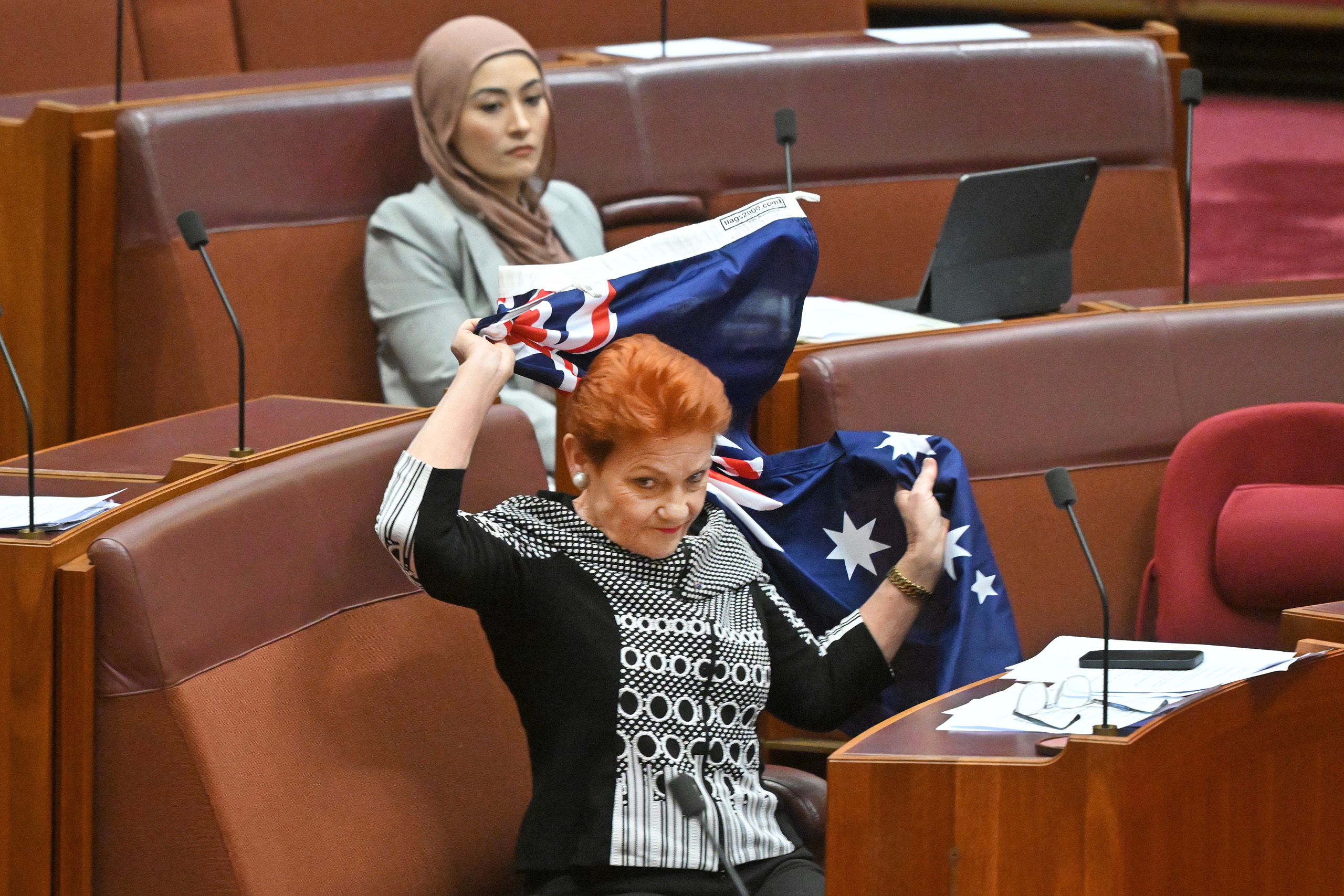
The debate over foreign ownership often touches on the sensitive issue of dual citizenship. Another widely supported comment stated: “Stop handing out citizenships especially if they’re not Australia first. No dual citizenships, you are either all in or not at all, live in the country you defend.” This hardline stance challenges the multicultural consensus that has defined Australian policy for decades, suggesting that the economic pressures of 2026 are forcing a re-evaluation of what it means to be a member of the Australian community.
Economists, however, warn that a total ban on foreign ownership could have unintended consequences. They argue that foreign investment is a crucial driver of new housing construction, particularly in high-density urban areas where domestic capital may be insufficient. By cutting off this flow of money, critics suggest that the government might actually worsen the supply crisis in the long run. Furthermore, the threat of government repossession of private property could damage Australia’s reputation as a safe and stable place for international investment, potentially triggering a wider economic downturn.
Despite these warnings, the momentum behind Hanson’s “Australia First” housing policy appears to be growing. As more Australians find themselves unable to afford a home in the suburbs where they grew up, the search for a simple solution—and a clear scapegoat—intensifies. The Labor Government’s decision to advertise first-home schemes in foreign languages has provided Hanson with the perfect “smoking gun” to illustrate her claim that the political establishment has lost touch with the needs of the average citizen.
The call for deportations, combined with the demand for a housing ban, represents a significant shift in the national conversation. It suggests that for a vocal part of the population, the solution to the housing crisis is not just about building more homes, but about redefining who has the right to live in them. Senator Hanson’s ability to tap into this deep-seated frustration ensures that the issue of foreign home ownership will remain at the forefront of the political agenda as the nation moves toward the next election cycle.
Ultimately, the battle over Australian soil is becoming the defining struggle of the mid-2020s. Whether it is the arrest of a war hero like Ben Roberts-Smith or the sale of a suburban bungalow to a non-citizen, every event is being filtered through the lens of national sovereignty and institutional betrayal. As Pauline Hanson continues to champion the “disenfranchised” Australian, her calls for a total ban on foreign ownership are likely to gain further traction, forcing both major parties to address a question they have long sought to avoid: Who truly owns Australia?
For the thousands of supporters cheering her on digital platforms, the answer is simple. They want a country where the tax dollars of citizens are used to house citizens, where the land is owned by those who defend it, and where the “Great Australian Dream” is no longer for sale to the highest foreign bidder. As the April 17th court dates and the April 26th rallies approach for other national issues, the housing debate serves as a powerful reminder that the “Patriotic Aussie” movement is fighting on multiple fronts, with the home at the very heart of their struggle.