The Final Broadcast: Derryn Hinch, Polarizing Media Titan and Former Senator, Dies at 82

The landscape of Australian media has been irrevocably altered following the passing of Derryn Hinch, a titan of the airwaves and a former member of the Australian Senate, who has died at the age of 82. The confirmation of his death was broadcast by his former radio home, 3AW, marking the end of a decades-long career defined by confrontational journalism, relentless public discourse, and a series of high-profile battles both in the studio and in the corridors of power. Hinch’s departure signifies the closure of a chapter in Australian public life that was consistently marked by intensity, controversy, and a refusal to shy away from the national spotlight.
For those who followed his storied career, the news follows a period of public reflection on Hinch’s fading physical health. Throughout 2025, the veteran broadcaster was remarkably candid about the realities of aging, offering his audience a sobering look at his struggles. In a November 2025 appearance on A Current Affair, Hinch shared a devastating list of health challenges, most notably revealing that he had endured more than 30 falls within a single year. Describing the unpredictable nature of his mobility issues, Hinch explained that he would often hit the floor without warning, despite the use of his walker, which he had humorously but aptly named “Johnny Walker”.

The physical toll of these incidents was profound. Hinch recounted one particularly harrowing episode where he remained stranded on the floor for 12 hours before help could arrive. The ordeal necessitated a three-week hospital stay, during which it was discovered that he had sustained two broken ribs—injuries he had not immediately realized in the aftermath of the fall. “I couldn’t move my legs, I couldn’t move my arms. I couldn’t crawl to my bedroom to get a blanket. I was totally stranded,” he told journalist Martin King, detailing a level of vulnerability that stood in stark contrast to his public persona as a formidable media interrogator.
Hinch’s medical history had been a subject of public record for many years. In 2011, he underwent a life-saving liver transplant, an operation that followed both a battle with cancer and a diagnosis of cirrhosis. In earlier interviews, including a 2007 conversation with the Sydney Morning Herald, Hinch was transparent about the lifestyle factors that led to his liver condition. He admitted to a period in the early 1980s where he would consume four bottles of white wine daily, a habit he acknowledged was simply part of the lifestyle he led at that time, however unsustainable it proved to be.
Media figure Derryn Hinch, the ‘human headline’, dies aged 82

Despite these formidable challenges, Hinch maintained a perspective grounded in a sense of gratitude for the life he had led. During his 2025 interview, he reflected on his legacy and his place in the history of Australian broadcasting. “I’ve had such an incredible life,” he stated, seemingly at peace with the journey that had brought him from the radio booth to the floor of the Senate.
He noted that while his future was uncertain, he was content with the impact he had made, stating, “If I last another month or another ten years, that’s all good by me”.
As the industry and the public mourn the loss of such a singular voice, the focus naturally shifts toward how he will be remembered. Hinch’s career was characterized by a willingness to challenge authority and hold institutions to account, often positioning himself at the center of national debate.
Whether through his work on the radio, his television presence, or his time as a Senator in Canberra, he remained a polarizing figure until the very end. His passing leaves a significant void in the Australian media landscape, concluding the life of a broadcaster who, regardless of one’s stance on his methods, left an indelible mark on the nation’s public consciousness.
Natasha Chadwick Reflects on the Final Days and Legacy of Derryn Hinch
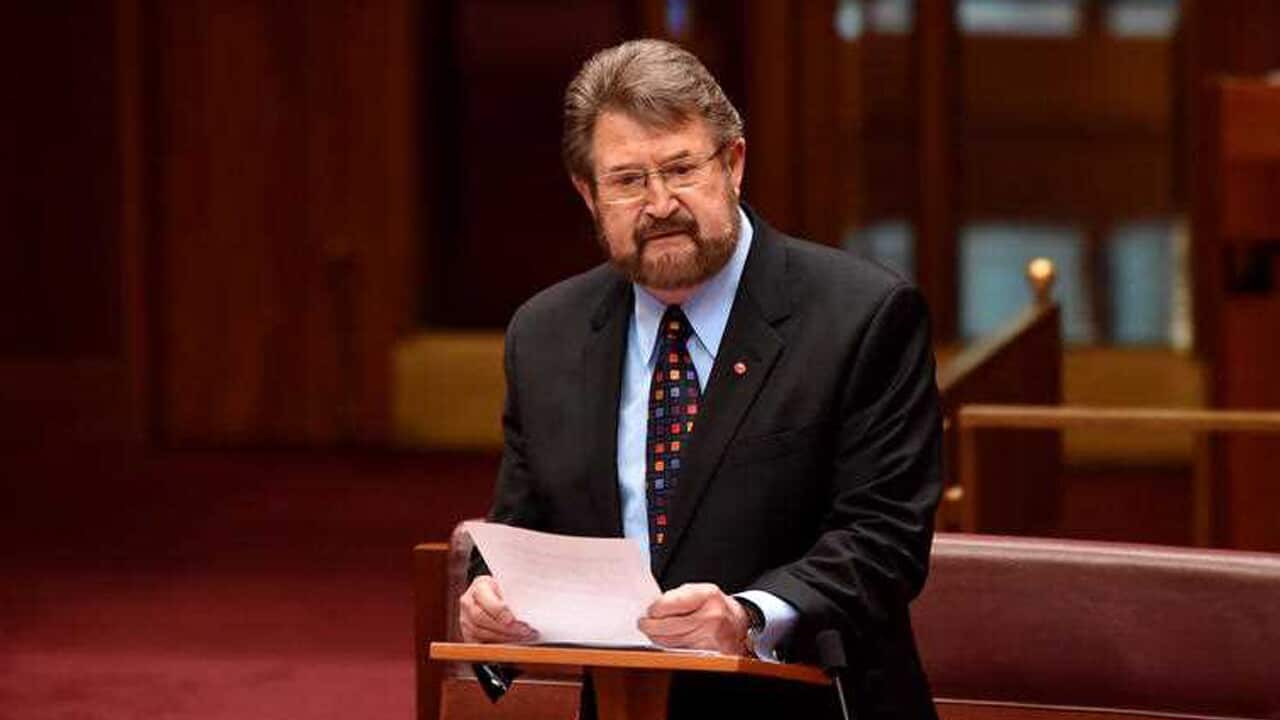
The passing of veteran broadcaster and former senator Derryn Hinch at age 82 has prompted a poignant reflection from Natasha Chadwick, who has broken her silence to share insights into the media icon’s final chapters. As the nation mourns the loss of one of its most outspoken and polarizing figures, Chadwick’s account provides a rare, intimate perspective on Hinch’s indomitable spirit during his prolonged battle with failing health.
Her comments offer a glimpse into the tenacity that defined his career, suggesting that the same combative energy he brought to the airwaves remained a driving force until his final days.
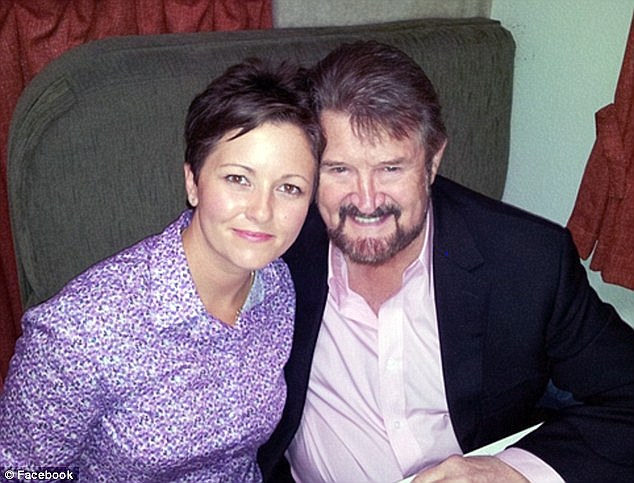
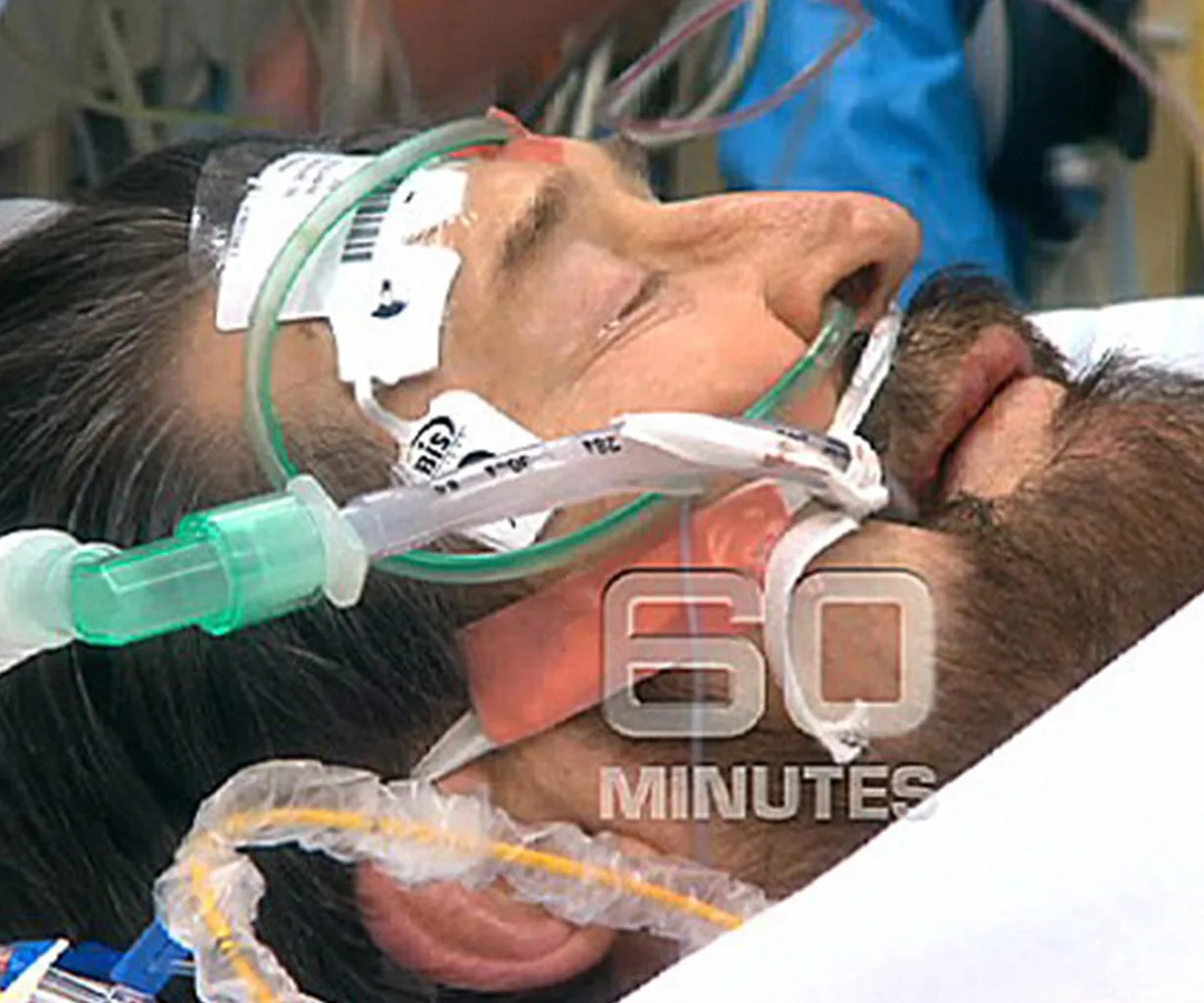
For those familiar with Hinch’s public trajectory, his struggle was well-documented. Having navigated numerous health crises throughout his life—including a liver transplant in 2011 and a series of alarming physical falls throughout 2025—Hinch had become a symbol of resilience against the physical toll of aging.
Chadwick’s recent statement emphasizes that despite these obstacles, Hinch maintained a focus on his “last wish” and a commitment to seeing his various projects to completion. Her testimony paints a picture of a man who, even when confined to the limitations of his physical health, remained mentally sharp and focused on the work that had consumed his professional life for decades.
The narrative surrounding Hinch’s death is not merely one of decline, but of a continued fight. Chadwick’s insights suggest that Hinch’s approach to his final days mirrored his approach to his storied career: head-on, unapologetic, and deeply involved in the issues he cared about.
This dedication to his “last wish” underscores the complexity of a man whose legacy is defined as much by his personal battles as by his public controversies. It reveals a figure who refused to be defined by his infirmity, choosing instead to remain active in the discourse of his nation even as his strength waned.

Furthermore, Chadwick’s remarks highlight the support systems that existed behind the scenes for a man who often projected an image of singular, solitary power. The logistical realities of his final year—marked by multiple hospitalizations and the ongoing management of his health—required a level of determination that extended beyond the individual.
Chadwick’s reflection serves to humanize the “human headline,” providing context to the private side of a public warrior. It is a reminder that the loudest voices in the room are often supported by quiet, dedicated individuals who help carry the burden of the final act.
Hinch’s legacy remains a subject of intense national debate, but the sentiment shared by Chadwick adds a layer of depth to the public’s understanding of his departure. By framing his death as a fight to the end, she helps to solidify the narrative of a man who lived by his own terms, regardless of the consequences. Whether one agrees with his political stances or his confrontational journalism style, there is little argument regarding the scale of his impact on Australian broadcasting.
As the public continues to grapple with the void left by his absence, the focus will undoubtedly shift to how his life’s work will be preserved and interpreted by future generations. Hinch was a product of an era where media was a contact sport, and his passing serves as a historical marker for that period.
Through the lens provided by Natasha Chadwick, we are invited to look past the headlines and appreciate the human endurance that fueled his long, tumultuous, and undeniably significant journey. As the dust settles, his contribution to the national narrative remains a testament to a life lived at full volume, maintained through sheer strength of will until the final curtain fell.