Long after the media frenzy surrounding Sam Neill’s miraculous remission faded, the iconic actor’s journey has come to its final rest. Yet, the true legacy of his battle against stage-four Angioimmunoblastic T-cell lymphoma silently reshapes medical oncology.
Behind his Hollywood stardom was a humble patient whose quiet courage and trust in cutting-edge science gave doctors invaluable clinical insights. Though Sir Sam Neill has now passed away, his fight was far from in vain. Beyond the headlines, his journey left profound medical lessons, offering researchers crucial breakthroughs that continue to guide and inspire future cancer treatments.
In a quiet consultation room at a Melbourne medical center, a glass cabinet holds row upon row of clinical folders, each marked with anonymous patient tracking numbers.
Among them lies a file that once captured the absolute fascination of global media.
When international headlines first erupted with news that Jurassic Park star Sir Sam Neill had entered full remission from stage-four Angioimmunoblastic T-cell lymphoma, the public narrative followed a predictable, glossy script: a beloved celebrity miraculously defying impossible odds, a dramatic Hollywood ending brought to life in a hospital ward.
Yet, as the relentless news cycle moved on to fresh celebrity gossip and the initial shock of his diagnosis receded into memory, a far more profound story remained behind in the laboratories—one not of celebrity magic, but of cold, meticulous scientific courage.
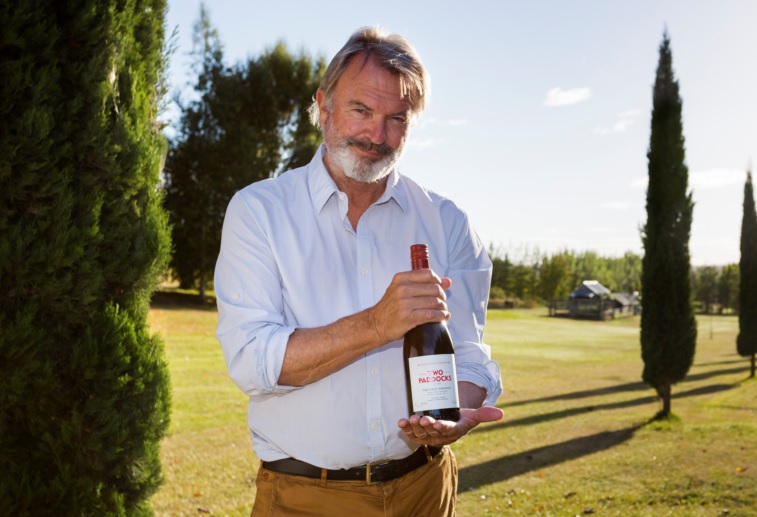
In the immediate wake of a high-profile medical recovery, public perception frequently romanticizes the patient as a larger-than-life figure who “beat” cancer through sheer force of will.
Media retrospectives celebrated Neill’s optimism, his witty social media updates, and his unyielding desire to return to his beloved vineyard in New Zealand.
Rarely, however, did the spotlight examine the clinical reality operating beneath the surface: the terrifying uncertainty of enrolling in an experimental CAR-T cell therapy trial when conventional chemotherapy had completely failed.
For the medical team treating him, navigating the care of a world-famous actor presented a unique psychological landscape.
High-profile patients often struggle with the loss of control that accompanies severe illness, sometimes seeking specialized treatments or questioning clinical protocols.
Neill, however, chose an entirely different path—one defined by complete humility and an unwavering, deep-seated respect for the researchers holding his life in their hands.
Acting icon Sam Neill dies aged 78: His life, career and legacy
The medical mechanics of CAR-T cell therapy sound almost like science fiction: extracting a patient’s own T-cells, genetically reprogramming them in a specialized laboratory to recognize specific cancer proteins, and reinfusing them back into the bloodstream as a targeted “living drug.”
_in_Toronto%2C_Ontario%2C_Canada_Sept_6%2C_2019_R-BnW_APP.jpg&w=1920&q=75)
When Neill agreed to undergo the experimental treatment, he was stepping directly into uncharted territory, fully aware that the therapy carried severe risks, including violent immune reactions and unpredictable side effects.
Throughout the grueling process, clinicians noted that Neill never requested special treatment nor viewed his survival through the lens of personal exceptionalism.
To him, the hospital bed was an equalizer where fame offered no protection against cellular biology, and his only role was to be a disciplined partner to his medical team.
As the months have passed, the medical data harvested during Neill’s trial has quietly integrated into broader clinical research, opening new doors for blood cancer patients across Australia who previously faced terminal prognoses.
Where traditional oncology once saw blood cancers as an insurmountable wall, the success of tailored genetic therapies is steadily rewriting treatment protocols.
Yet, inside the oncology community, the most enduring memory of Neill’s journey is not his celebrity status, but his refusal to claim personal credit for a victory engineered by microscopic science.
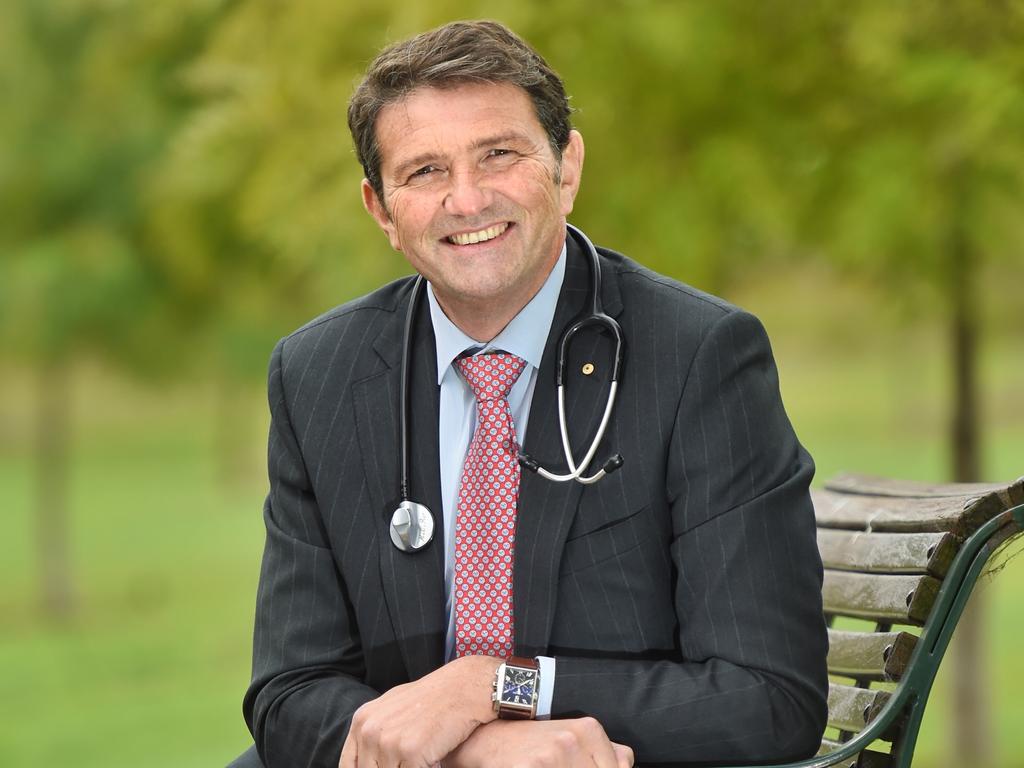
Renowned hematologist Professor Miles Prince, who closely observed Neill’s journey during the experimental CAR-T therapy, recalled the exact moment the actor received the extraordinary news that his genetically modified T-cells had successfully eradicated the tumors:
“Sam didn’t think of himself as a ‘miracle’ at all.
When he learned that his T-cells had been genetically engineered to destroy the tumor, he simply exclaimed: ‘That is the absolute pinnacle of science.’
He always wanted his story to instill faith in other patients taking part in experimental trials.”
This unscripted reaction strips away the romanticized myth of the “celebrity medical miracle.”
It exposes the rare, profound humility of a man who recognized that his survival was not a stroke of star-studded luck, but the direct result of decades of grueling, unglamorous laboratory research conducted by unnamed scientists.

Today, the public glare has entirely softened.
Neill has quietly returned to his passions, tending to his vines and taking on selective acting roles, while the media has long since ceased tracking his medical appointments.
Inside the hematology wards, however, his legacy continues to vibrate quietly every single day.
Every time a new, frightened patient sits down to sign the consent forms for an experimental immunotherapy trial, Neill’s quiet, unpretentious journey serves as a guiding light.
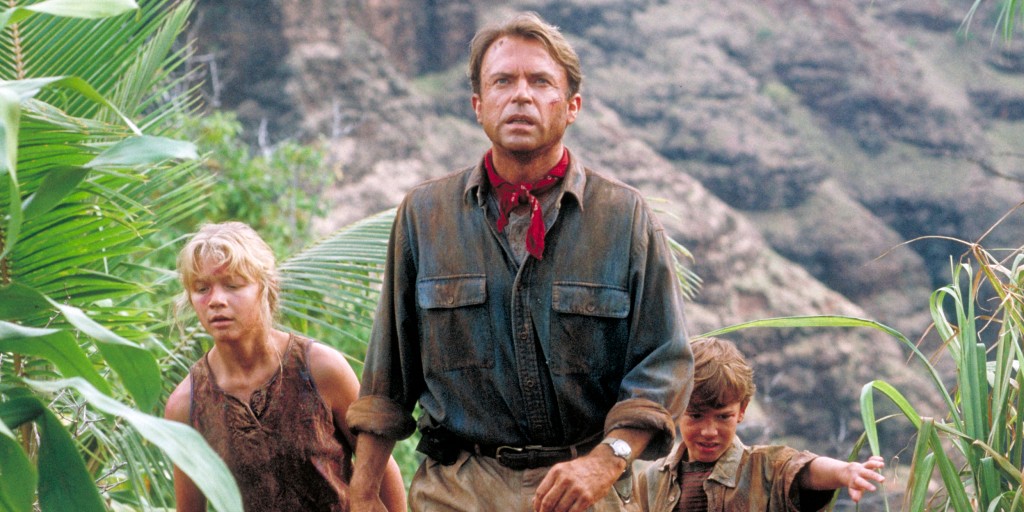
The true significance of Sam Neill’s fight was never about adding another dramatic chapter to an actor’s biography.
It was about demonstrating how human humility and cutting-edge science can meet at the precipice of life and death.
Though Sir Sam Neill has now passed away, his greatest performance remains the one played far from any camera—a silent, enduring tribute to human intellect, the scientists in white coats, and the dignity of a patient who trusted the science. The invaluable clinical insights gained from his battle live on, serving as a lasting beacon of hope for future cancer research.