“He ki*led my sister:” Kevin’s 30-year obsession with Ivan Milat
A new inquiry could reveal if the serial k*ler is responsible for more de*ths.
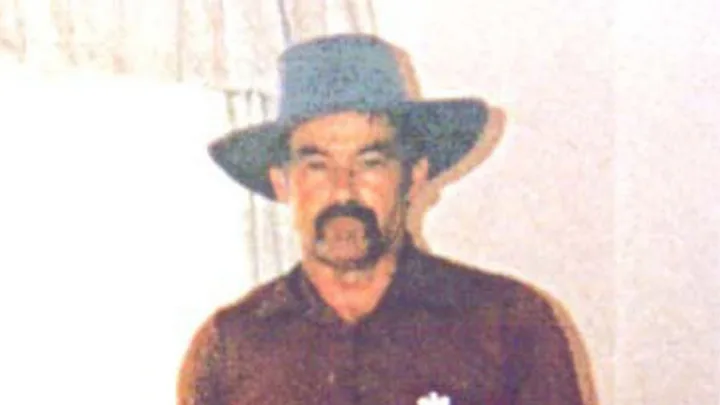
The twin brother of one of Ivan Milat’s possible victims admits he has never stopped wondering whether Australia’s worst serial killer ended her life.
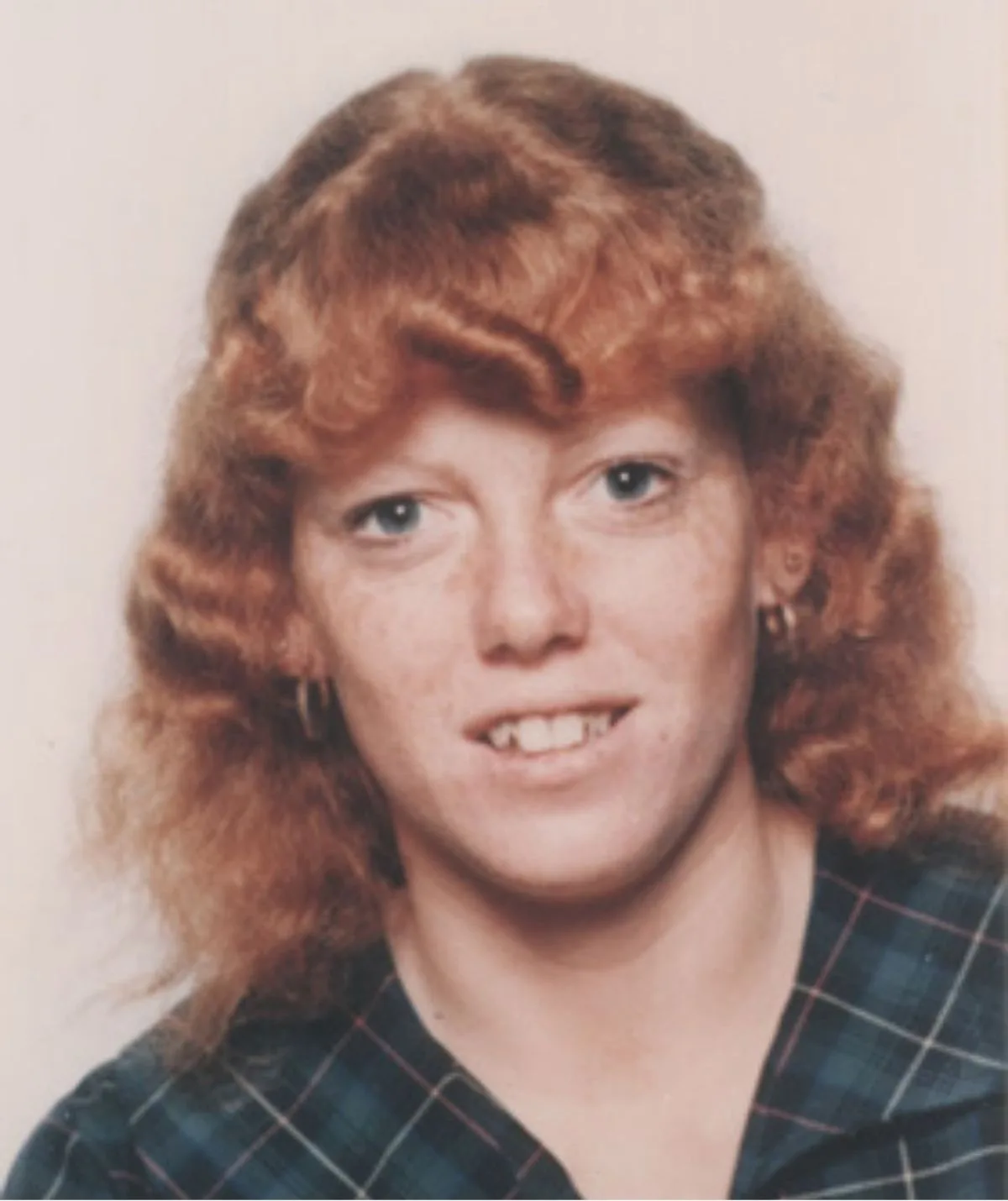
Kay Docherty was just 16 years old when she and her friend Toni Cavanagh, 15, vanished from a bus stop in Warilla, near Wollongong, on July 27, 1979.
Now her brother Kevin hopes a parliamentary inquiry might finally uncover whether Kay was one of Milat’s many victims.
“It’s been like hell and not a day goes by where you [don’t] think something more can be done or you don’t cling to hope,” he tells Woman’s Day.
“I’m hoping this will open a can of worms and get police to carry out the investigations they didn’t 47 years ago.”
MILAT SIGHTINGS
Initially, police believed Kay and Toni were runaways due to letters from the girls to their parents turning up a week later.
In them, the pair wrote they were staying with friends in Sydney and would return home soon.
However, a coronial inquest held in 2013 found the pair had likely died shortly after their disappearance.
During that inquest, former police officers who worked on the case investigating the girls’ disappearance admitted it was possible they were killed by Milat as he had been in the area at the time.
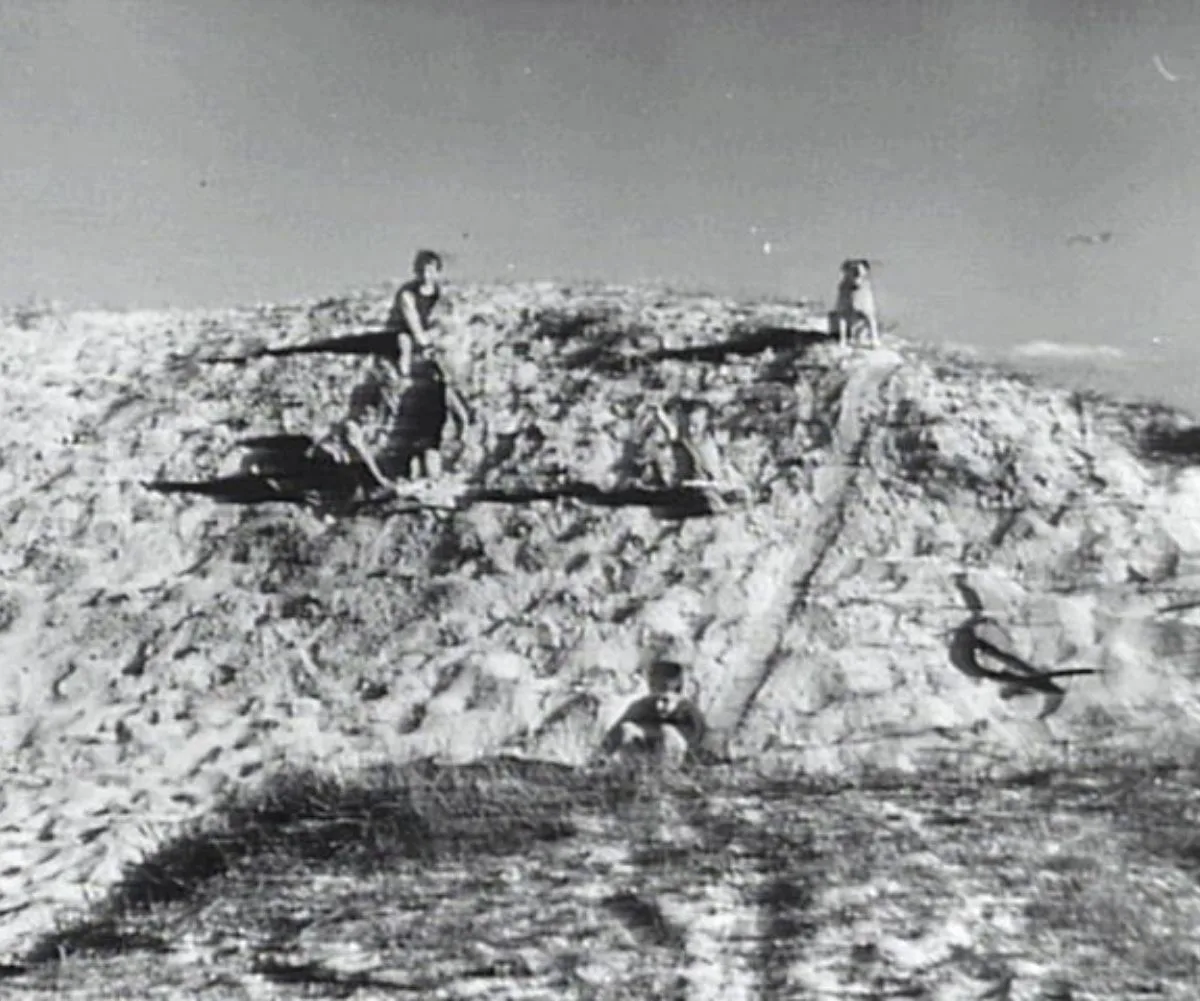
Several years after the inquest a witness, who was 12 at the time, reported seeing Milat in the sand dunes near the Docherty’s home, where investigators suspect her remains could be buried.
“Milat chased him out of there,” says Kevin. “[The child] didn’t realise it was Milat until years later.”
Reflecting on the impacts of Kay’s disappearance, Kevin says not having answers destroyed his family.
“Mum and dad have now passed, and I’m the only one left in the family – so that’s why I’m continuing this fight on behalf of them,” Kevin says.
“I saw what Kay’s disappearance did to them… it put them into a early grave.”
For Kevin, his twin’s disappearance has had a massive ripple effect on his entire adult life too.
“I sacrificed everything in life,” he says. “I sacrificed my job to look after my mum and be her carer. I put everything on-hold like my marriage… I didn’t get to have children. I virtually never left home”
Australia worst serial killer: Ivan Milat’s family reveal his darkest secrets
EARLY VICTIMS
Last week, the NSW parliamentary inquiry began investigating whether Milat was responsible for 58 unsolved murders and missing persons cases in NSW from 1965 to 2010.
“We want to get to the truth at the heart of the issue around Ivan Milat,” MP Jeremy Buckingham, who is leading the inquiry, tells Woman’s Day.
“For many decades, people at risk were disregarded and ignored by police and politicians and it’s led to a situation where scores of people were abducted and murdered or disappeared and very little was done about it.”
Along with Kay and Toni, the inquiry will also re-examine the unsolved murders of Christine Sharrock and Marianne Schmidt, both aged 15, at Wanda Beach, NSW in 1965, along with the death of 20-year-old Keren Rowland in Canberra in 1971.
Previously, Hugh Hughes, a retired detective from Wales and the husband of Keren’s cousin Andrea, told Woman’s Day he believed Milat ki**ed Keren.
“There’s circumstantial evidence that he could have been responsible for Keren’s death,” he said.
“There are media reports of a man matching his description accosting three women on Constitution Avenue three days before Keren went missing, and just before he raped two girls near Goulburn, NSW that April.”
Speaking at the inquiry, Keren’s brother Steve revealed their family started their own review of the case in 2017 and found she had injuries consistent with being strangled.
“It’s been 55 years since we lost my sister and her baby,” said Stephen.
“Unfortunately, my mum and dad have passed not knowing what happened to Keren and her bub, but with unwavering support and help from family we have and will continue to search for answers.
“We’re finding it incredibly difficult to get the same support and help from the investigating authorities. We have found that the investigating body [ACT AFP] has very little or no information, connected notes or evidence left from February 1971.”
ALL THE EXCUSES
Former police officer Jeff Dakers, who was the constable in charge of the investigation into Kay and Toni’s disappearance in 1979, told the inquiry about a chilling encounter with Milat one of his acquaintances had just years before the two girls vanished.
“He said, ‘A guy was standing there one day and two girls were screaming out, ‘He’s going to kill us!,” Jeff told the inquiry. “He [the acquaintance] was a smart alec kid, he was about 12 or 14 and he said, ‘Run in different directions’.”
“He didn’t realise he was talking to Milat at the time, because Milat’s notoriety hadn’t become proficient until in the 80s. Milat, obviously with a witness staring at him, let the girls go and they ran into a house across the road.”
That same acquaintance saw Milat again at the sand dunes, but this time he was carrying a shovel – and located a nearby shed where the floor was covered in blood – but this information was not reported to the police.
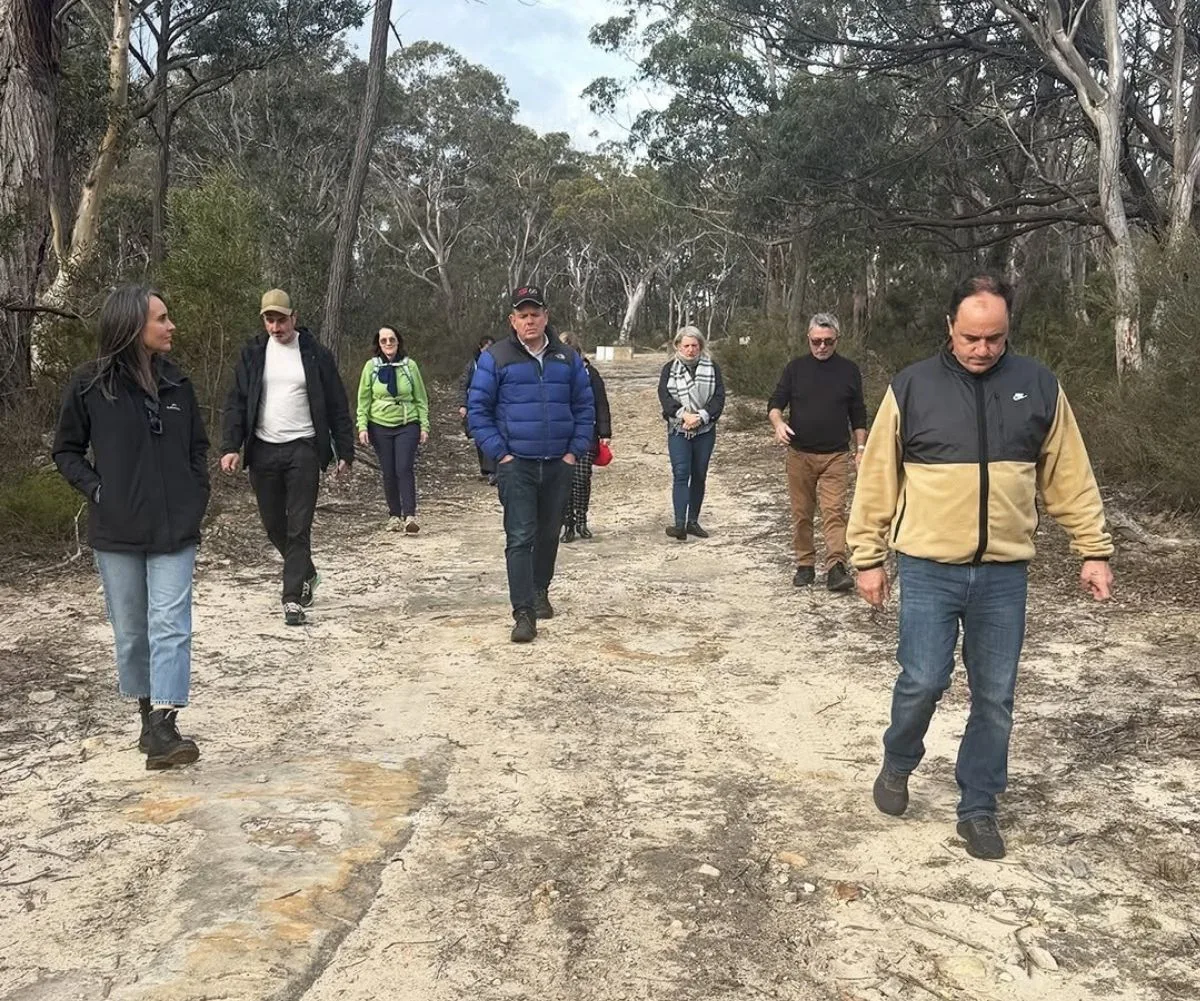
Hoping to find Kay’s remains, Jeff, Kevin and a team from Search Dogs Sydney have scoured scrubland near where Milat was seen, and have been planning to conduct a controlled burn on an overgrown site – but Jeff says Illawarra detectives have not given them permission to conduct their own search.
“Police cannot have the excuse that we don’t have the resources; we’ve got many volunteers who would love to go and assist,” Jeff said.
“I’ve had all the excuses. All I’m doing is hitting brick walls all the way along with everything I’m doing.”
UNSOLVED HOMICIDE
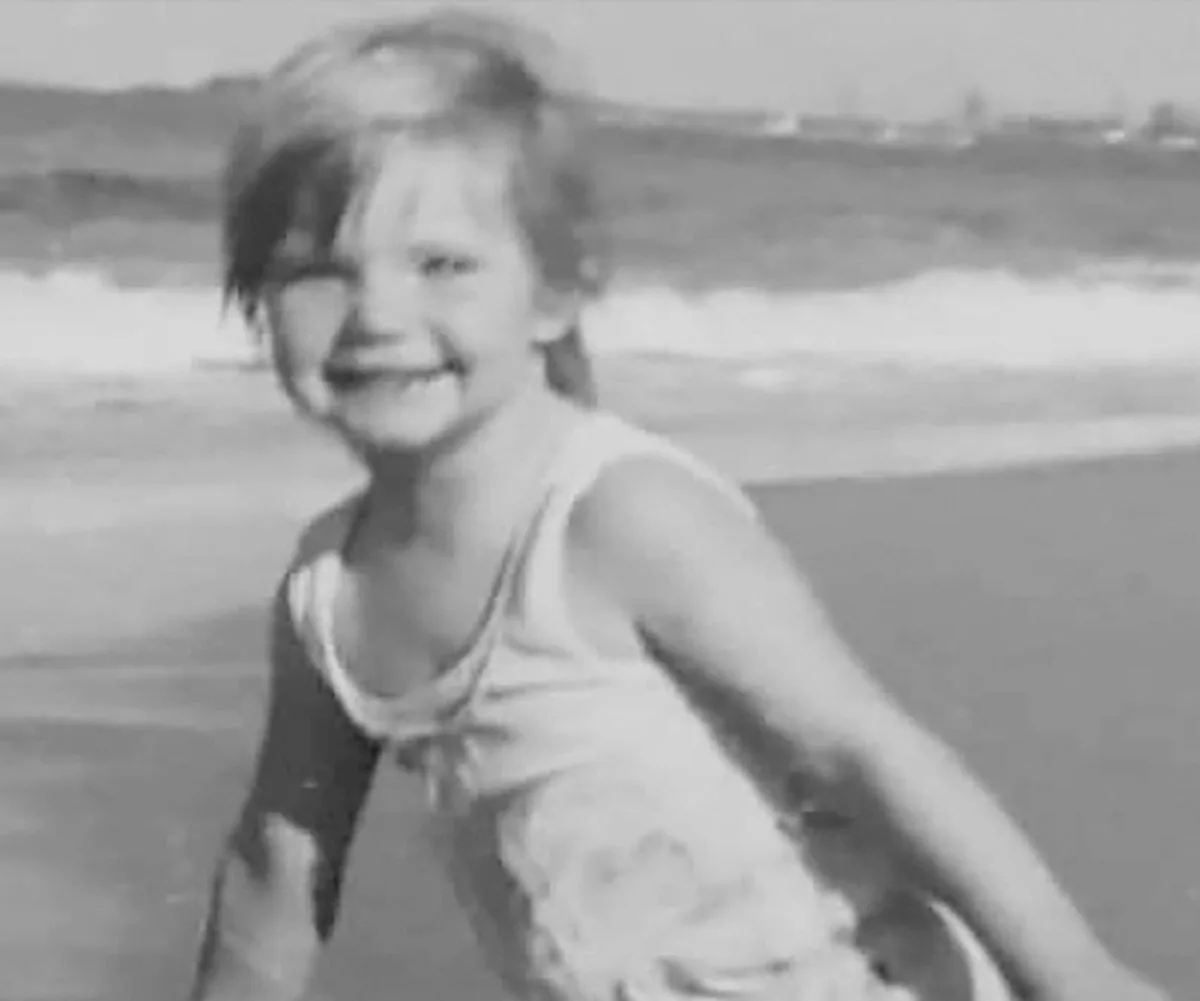
Also under the microscope is the disappearance of Cheryl Grimmer – a three-year-old girl who was abducted from a Wollongong beach in January 1970.
Last year, it was revealed a 17-year-old who cannot be named for legal reasons – but is known as “Mercury” – confessed to killing Cheryl in April 1971.
But despite the “graphic” confession, investigators did not charge the man until 2017 – but the trial collapsed due to the confession being ruled as inadmissable.
Speaking at the inquest, Cheryl’s brother Ricki Nash was critical of how NSW Police handled the investigation.
“Despite the seriousness of that confession, my parents were never told,” he said.
“How is it possible that such a detailed confession sat gathering dust in the archives for more than 45 years? Why was Mercury never re-interviewed and challenged about how he knew the details he described in his confession?”
More than 50 unsolved murders and missing persons cases will be examined during the inquests which expects to run for two years.
It will rely on testimony from the family of potential victims, criminologists and Milat’s former associates.
“We hope police processes are improved and how we deal with missing persons and unsolved homicides becomes more transparent,” says Jeremy.
“Many people do not accept that he was only responsible for the seven murders in the early ’90s.”
PROLIFIC KILLER
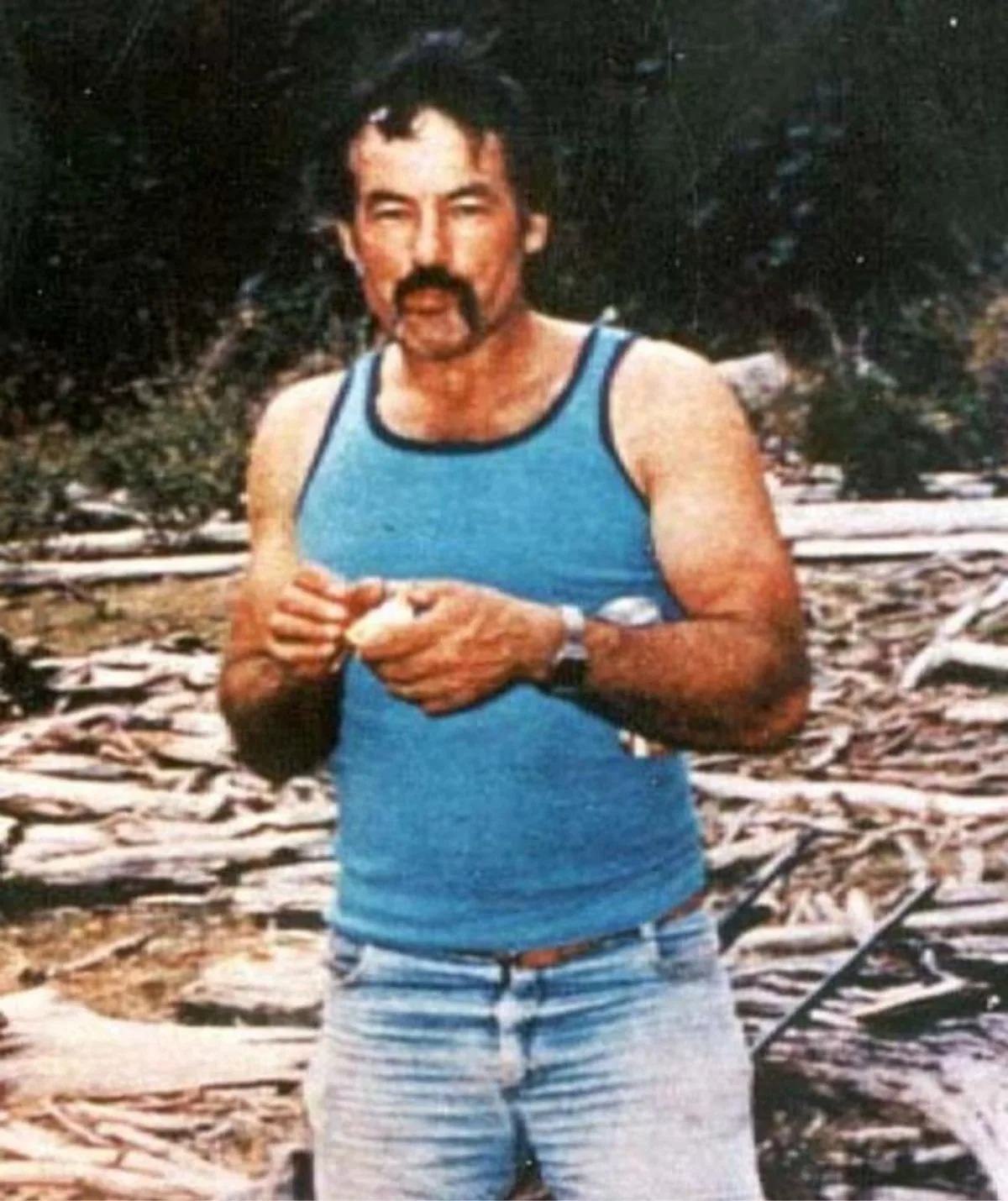
In July 1996, Milat was convicted of abducting and brutally killing seven backpackers and burying their remains in the Belanglo State Forest.
Before his death from oesophageal and stomach cancer in October 2019, police visited Milat eight times to obtain a confession for his crimes as well as other murders.
But he maintained his innocence and showed no remorse.
“There’s no evidence,” Milat told homicide squad detective inspector Wayne Walpole in his final police interview.
Reflecting on that interview, Wayne thought a frail and dying Milat might finally admit to the crimes that branded him Australia’s most notorious serial killer.
“He was completely arrogant, he showed no empathy, he cared for nothing but his own incarceration,” he told A Current Affair.
As for the true extent of Milat’s killings, Jeremy believes there could be as many as 100 victims.
“I think he was prolific and was killing people from the early 1970s,” says the MP.
“He was a murderous psychopath from a very young age and he operated across Australia. But I don’t think he operated alone.”
Kevin hopes the inquiry leads him closer to finding answers about what happened to his sister so he can finally move past the heartbreak.
“I would love to be able to find a body or remains which I could put with my mum and dad who’s ases I still have in case I ever found Kay,” he says.
“But until that day, I can’t move on and life a normal life.”
WHAT’S NEXT FOR THE INQUIRY?
On July 1, the inquest will resume with a hearing in Grafton.
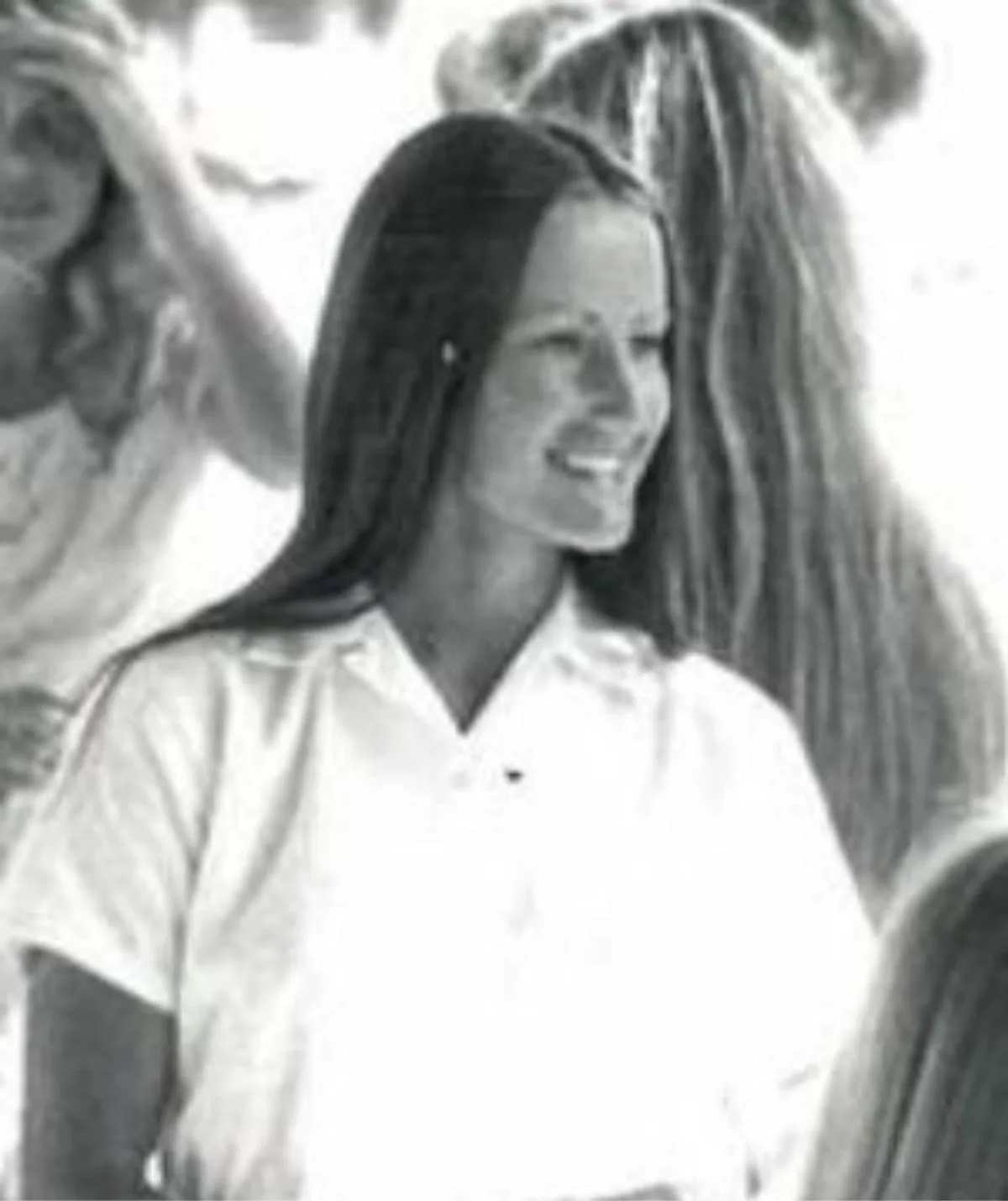
While the inquiry has not yet confirmed which cases will be under examination, it’s believed the inquiry will hear testimony about the disappearance of Narelle Cox.
Narelle was just 21 years old when she vanished in July 1977 while hitchhiking from Grafton to visit a friend in Noosa. She was last seen by a truck driver who told investigators he dropped her off in Brunswick Heads.
But some of Narelle’s relatives believe she could have been killed by Milat.
“If the truck driver dropped Narelle in the Brunswick Heads area like he said he did, that put her right in the hotspot of where people were going missing,” Narelle’s best friend Sue Cantle told the Courier Mail.
“Ivan Milat was working on roadworks in Northern NSW at that time but no-one knew who he was back then. It was dangerous going hitch hiking at that time. A lot of girls went missing.”
EVIL SIDE TO EVERYONE
While Milat may go down in history as Australia’s most prolific serial killer if he’s found to be responsible for more murders – his brutal crimes have already served as the inspiration for film and television.
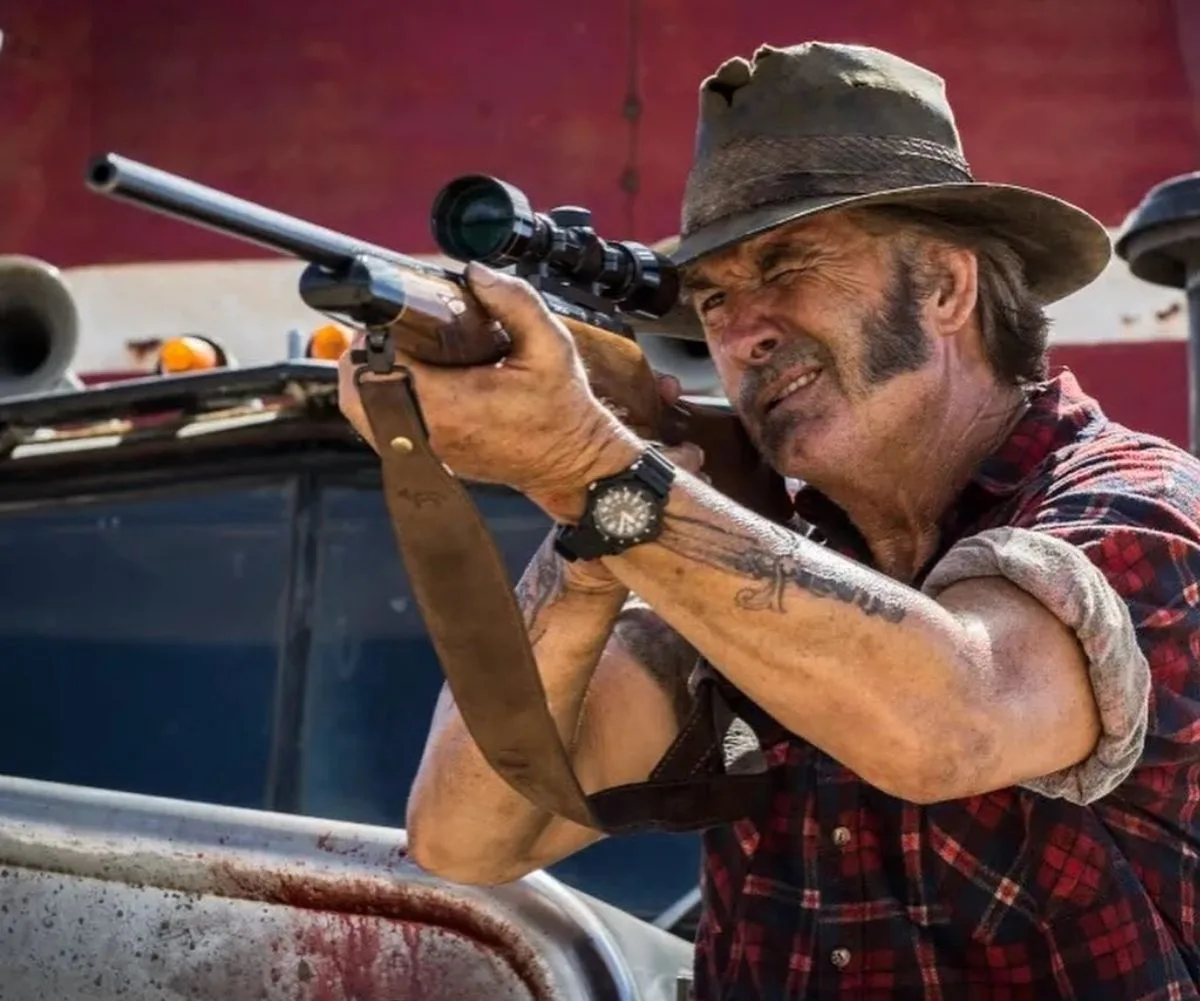
Most notably, Milat’s “ruthless and remorseless” killing spree served as the blueprint for John Jarratt’s terrifying outback psychopath Mick Taylor from the 2005 horror film Wolf Creek.
John reprised the role in 2013 for the sequel and is returning again next year in Wolf Creek: Legacy.
“It’s like riding a bike,” John recently told Woman’s Day. “I can turn into Mick in seconds. I know him backwards now.”
When preparing himself for the role, John immersed himself in the psychology of killers like Milat and Bradley Murdoch, who was found guilty of killing British tourist Peter Falconio in July 2001.
“I think there’s an evil side to everyone,” said John. “But there are people who can’t control themselves – and don’t want to. That’s what interests me.”