Months after Australia mourned the loss of 2024 Australian of the Year Professor Richard Scolyer, the national headlines have fallen silent. Beyond the posthumous honors and medical accolades lies an intimate, unspoken reality: three young lives navigating a home without the father who sacrificed his own body to reshape brain cancer treatment.
In the sunlit living room of a quiet suburban home in Sydney, a rowing machine sits untouched near the window, and a pair of worn running shoes remains neatly placed by the front door.
To the global medical community, Professor Richard Scolyer was a titan—a world-renowned pathologist who transformed melanoma survival rates before voluntarily becoming “Patient Zero” in a heroic, world-first experimental immunotherapy trial on his own glioblastoma brain tumor.
To Emily, Matthew, and Lucy, however, he was simply Dad—the man who loved early morning family runs, burnt the toast on weekends, and possessed an annoying habit of making terrible dad jokes during dinner.
When news of Scolyer’s passing reverberated across international headlines, the public narrative was swiftly written in stone: an immortal story of scientific martyrdom, groundbreaking clinical bravery, and an unshakeable legacy.
State funerals were proposed, politicians delivered eloquent eulogies in parliament, and medical journals published glowing retrospectives.
Yet, as the media circus packed away its lenses and the national conversation moved on to new tragedies, a heavy, quiet stillness descended upon the Scolyer household—where three teenagers were left to reconcile the towering public myth of their father with the deeply human dad they used to hug goodnight.
In the immediate aftermath of a high-profile public tragedy, society prefers its heroes neatly packaged.
Media coverage routinely focused on the grueling scans, the revolutionary vaccine injections, and the breathtaking audacity of Scolyer’s medical crusade alongside his lifelong research partner, Professor Georgina Long.
Rarely did the spotlight linger on the painful family logistics operating silently in the background: the hushed late-night conversations in the kitchen, the anxiety preceding every MRI result, or the heartbreak of watching an intellectually brilliant father confront his own physical decline.
For the children, growing up alongside a national icon carried a complex, double-edged weight.
While the world saw a fearless medical pioneer staring down an incurable terminal diagnosis, his children saw a loving father fighting fiercely for just one more family dinner, one more milestone, and one more ordinary Tuesday together.

Navigating high school and university while your father’s terminal brain tumor is analyzed on national television requires a rare, exhausting brand of resilience.
Friends at school meant well, but their gentle sympathy often reinforced the surreal divide between the public figure on the news and the reality inside the home.
The pressure to remain strong—to serve as living extensions of a national hero’s courage—left little space for the messy, raw grief that inevitably hits when the front door closes.
The reality of being the children of “Patient Zero” meant living in a house where hope and cold medical data were constantly at war.
Every additional month of survival achieved through their father’s daring trial was celebrated as an unprecedented medical miracle by the press, yet inside the home, each passing week served as a ticking clock reminding them that human biology eventually collects its debt.
Richard Scolyer’s wife and children share treasured memories in touching eulogies
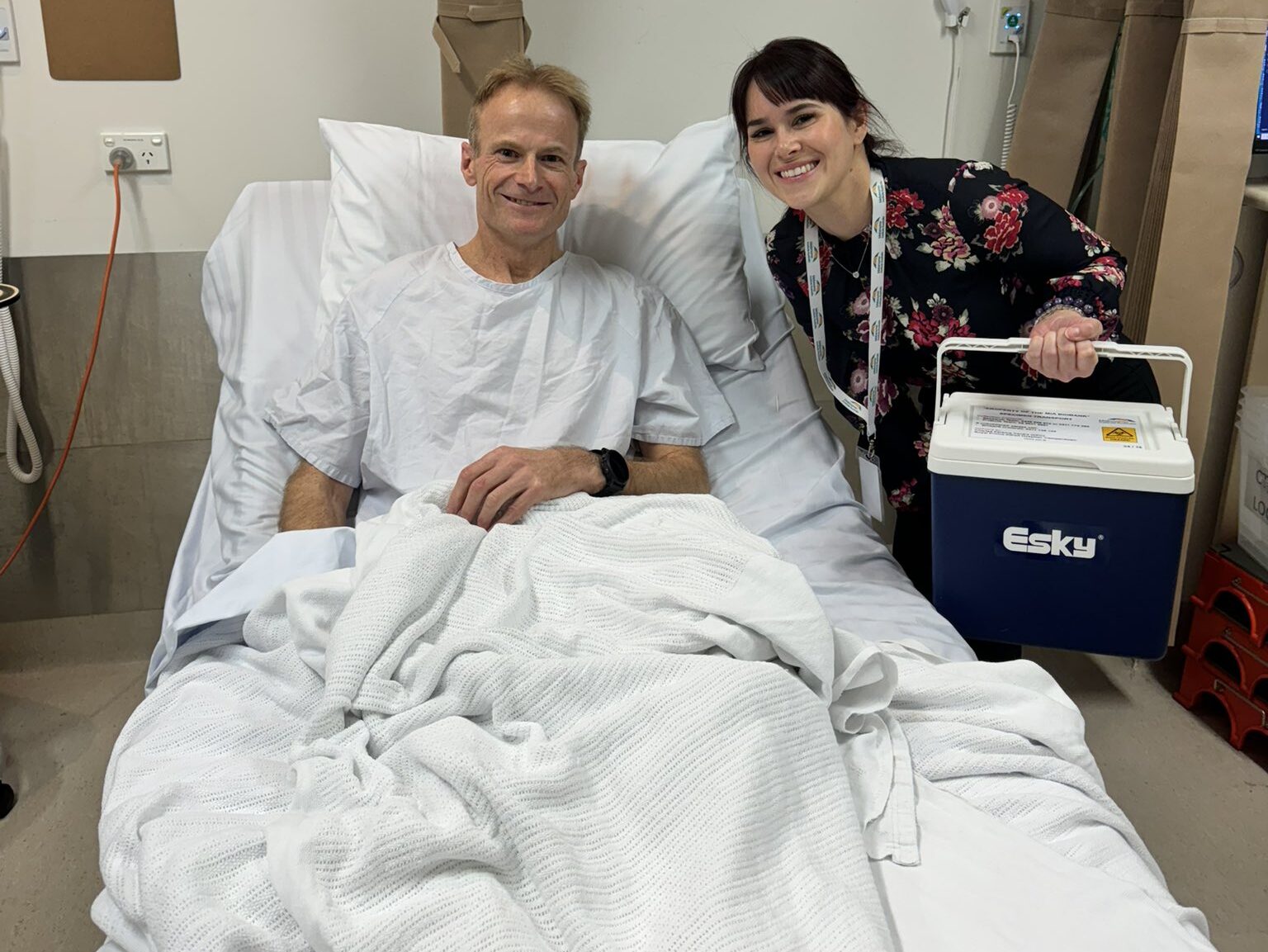
As the initial shock of loss gradually gives way to long-term processing, those closest to the family reveal that the hardest phase of grief is not the immediate, chaotic days surrounding the funeral, but the quiet, ordinary months that follow.
It is the absence in the stands during weekend sports games, the empty chair at graduation dinners, and the sudden realization that the world’s noise has subsided, leaving only the echo of his absence.
The medical trial Scolyer championed generated priceless scientific data that continues to revolutionize experimental brain cancer treatments worldwide, offering hope to thousands of future patients.
Yet, for his children, the true measure of their father’s sacrifice was never recorded in medical journals or measured in clinical citations.
It was measured in the immense emotional cost paid by a family who selflessly shared their father with the world during his final, precious months on earth.

The most profound, heartbreaking reflection of this journey emerged not in formal press conferences or televised interviews, but in a private, unscripted moment shared among family members as they reflected on the crushing reality of his public legacy:
Everyone keeps telling us how proud we should be that Dad belonged to the world and changed medical history. But the truth is, when you’re sitting in his empty study at night, you don’t care about medical breakthroughs or history books.
You just want your dad back to ask him how your day was.”
“But the truth is, sitting in his empty office at night, you don’t care about medical breakthroughs or history books.
You just want your dad back to ask him how your day was.”
This raw admission strips away the sanitized, glossy veneer of public martyrdom.
It lays bare the brutal trade-off of extraordinary scientific progress: while the world inherited a revolutionary medical roadmap, three young people paid the ultimate price in fatherly moments that can never be replaced.
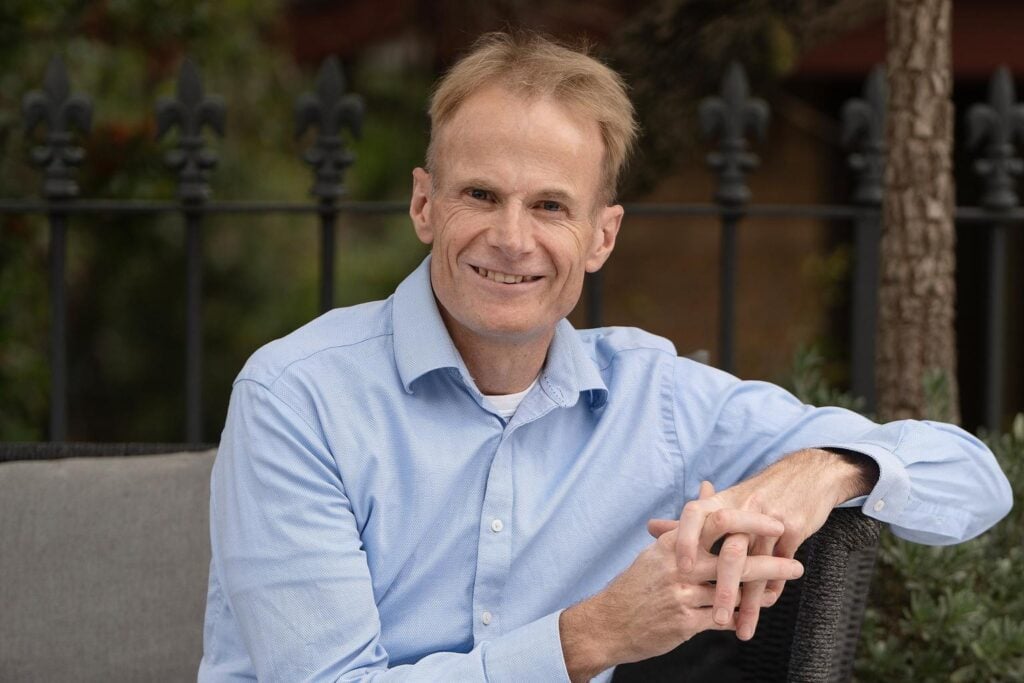
Months on, the dust of national mourning has officially settled, and the news cycle has long since turned its attention elsewhere.
Yet inside the lab, researchers continue to analyze the cellular data extracted from Scolyer’s brain, while at home, three young adults quietly learn how to carry forward a titan’s name without losing their own.
Professor Richard Scolyer’s monument is not just carved into the annals of modern medicine or celebrated in government archives.
It lives on in the quiet strength of his children, who wake up every morning, face a world without their father, and privately honor the ordinary man behind Australia’s greatest medical legend.