“THE FIGHT AHEAD WON’T BE EASY…” Leading Surgeon Reveals the One Thing That Could Determine What Comes Next for Helen Haines After the Life-Changing Ordeal
Helen Haines remains in hospital after undergoing marathon surgery following what happened outside her Wangaratta electorate office. As doctors work through the immediate challenges, an experienced orthopaedic surgeon has explained why a patient’s outlook can become an important part of recovery after a life-changing injury.
Helen Haines Remains in Hospital After Marathon Surgery
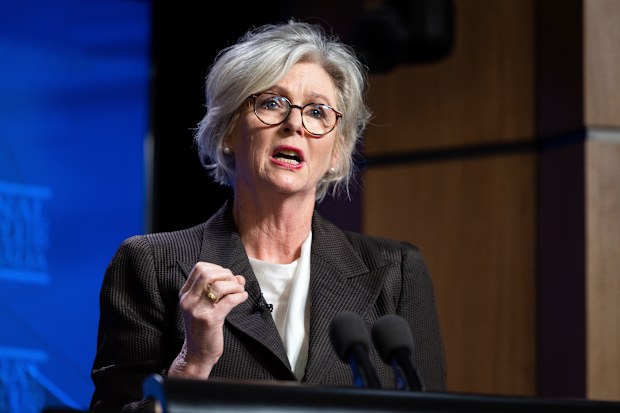
Independent MP for Indi Helen Haines remains in hospital after suffering severe injuries outside her electorate office in Wangaratta.
She was airlifted to The Alfred hospital in Melbourne and underwent surgery on Monday night and again on Tuesday.
According to the original report, Helen has lost one leg, while doctors and nurses spent hours on Tuesday working to save the other.
The medical treatment marks only the beginning of what could become a lengthy process involving healing, further procedures and rehabilitation.
For Professor Ian Harris, an experienced orthopaedic surgeon, one part of that journey can be particularly important: how a patient adjusts psychologically to a major change in their life.
“A Lot Depends on the Patient’s Outlook”
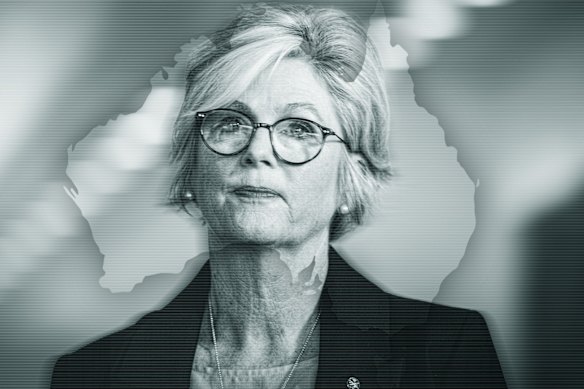
Professor Harris is not involved in Helen’s treatment and said his observations were general rather than a specific assessment of her condition.
Speaking about patients recovering from serious injuries and amputations more broadly, he said mindset can play an important role in how people adapt.
“A lot depends on the patient’s outlook on life and how they view obstacles when they come their way,” Professor Harris said.
He said his years working with patients facing amputations had shown him how adaptable people can be, even when they initially struggle to process what has happened.
For some patients, accepting a major physical change can take time.
But Professor Harris said people often begin to see their circumstances differently once they understand what future treatment and rehabilitation may allow them to do.
Why Doctors Sometimes Face Difficult Choices

Professor Harris also explained the difficult conversations that can arise when a limb has been damaged so badly that preserving it may not provide useful function.
Patients can understandably be reluctant to consider amputation.
But in some cases, he said doctors may have to explain that keeping a badly damaged limb does not necessarily mean it will remain functional.
A prosthetic limb may ultimately offer greater mobility in certain circumstances.
These decisions depend on the individual patient, the extent of their injuries and the judgment of the medical team treating them.
Professor Harris stressed that his comments were general observations about this type of medical care, rather than a description of decisions being made specifically in Helen’s case.
Helen’s Nursing Background Could Help Her Understand the Process
Before entering politics, Helen worked as a nurse and midwife.
Professor Harris believes that experience may help her better understand the medical environment around her and the reasons behind difficult treatment decisions.
He said someone with experience in healthcare is more likely to have some understanding of what doctors are assessing and why particular procedures may be necessary.
That does not make the physical or emotional adjustment easy.
But it may give Helen a stronger understanding of the process she is facing.
Professor Harris said patients recovering from major injuries often have to adapt not only physically, but also to a life that may look different from the one they knew before.
Parliament pauses for heartfelt and sombre tribute to Helen Haines
Recovery Can Extend Far Beyond the Operating Room
An amputation is not the end of medical treatment.
Professor Harris explained that doctors first need to allow damaged tissue and other injuries to heal.
Depending on the individual case, additional treatment may include reconstructive procedures, plastic surgery or skin grafts.
Once healing has progressed far enough, rehabilitation can begin.
For patients who are able to use a prosthesis, that process may include fitting the artificial limb and learning how to stand, walk and move with it.
Professor Harris said modern prosthetic limbs can allow many people to regain significant mobility and independence.
“People can function very well with artificial limbs these days,” he said.
The exact course and outcome, however, varies between patients and depends on the nature of their injuries and their individual recovery.
The Psychological Adjustment Can Be Just as Significant
Professor Harris said one of the biggest challenges following a life-changing injury can be accepting that some parts of everyday life may have to change.
That adjustment can be particularly difficult for people whose jobs depend heavily on physical mobility.
Someone working in a physically demanding occupation may have to consider retraining or changing the way they work, while people in other professions may be able to return to their roles more easily.
His broader point was that recovery is not only about what happens during surgery.
It can also involve rebuilding confidence, adapting to new limitations and learning how to approach everyday life differently.
That is why he believes a patient’s outlook can matter so much during the months that follow.
Support Grows Across Helen’s Community
As Helen remains in hospital, the response in Wangaratta and across the Indi electorate has reflected how deeply she is connected to the community.
Messages and tributes have been left outside her electorate office.
The reaction has also highlighted the many roles Helen has held throughout her life — as a politician, nurse, midwife, mother and grandmother.
For supporters, attention is now firmly focused on her treatment and recovery.
Her previous experience in healthcare has also become an important part of the discussion around the long road ahead.
What Could Shape the Road Ahead
Professor Harris’ comments do not amount to a prognosis for Helen.
He does not know her personally and is not part of the team treating her at The Alfred.
Instead, his observations offer a broader picture of what patients can face after major injuries and amputations.
Medical treatment, healing and rehabilitation will all matter.
But he said the way a patient psychologically adapts to a new reality can also influence how they approach the recovery process.
For Helen, the details of that recovery will ultimately depend on her own medical team and how her condition develops.
What is clear is that the journey can extend well beyond surgery — through healing, rehabilitation and the gradual process of adapting to life after a profound physical change.
Legal Proceedings Continue
According to the original report, Brendan Nugent has been charged over the alleged attack on Dr Haines and is expected to appear in court on Wednesday.
The allegations remain before the courts.
Source: Original reporting by news.com.au, with medical commentary attributed to orthopaedic surgeon Professor Ian Harris.