When the flashing studio cameras finally turn off, even the most formidable giants can fall. Behind the glossy, sensationalized headlines detailing Karl Stefanovic’s recent contract terminations lies the cruel, quiet, and deeply devastating reality of sudden unemployment. While the veteran broadcaster has spent decades maintaining a brilliant, professional smile for millions of viewers, his inner circle has stepped forward to reveal a much more sorrowful truth.
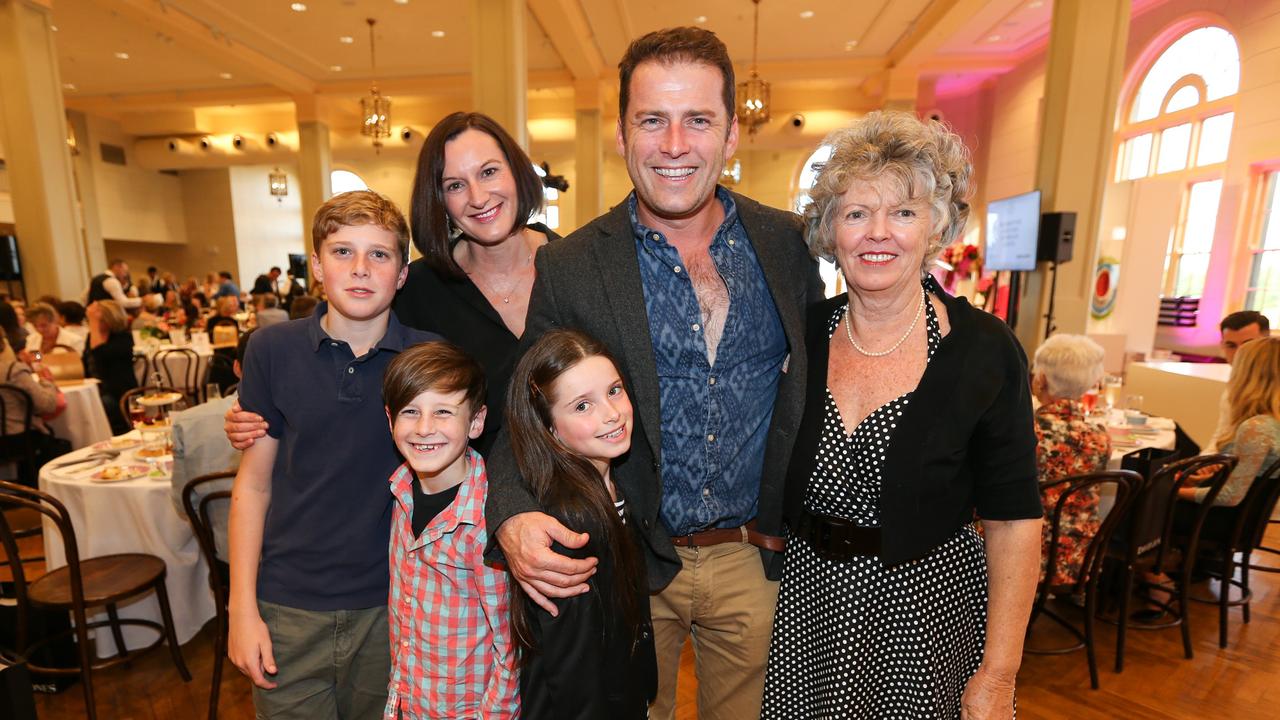
The shared grief of his ex-wife and daughter isn’t just a defensive stance against unfair corporate treatment; it is a raw, heartfelt plea for public empathy regarding the massive mental toll that accumulates when a family man’s career, identity, and livelihood are violently ripped away in the blink of an eye.
The Dangerous Intersection of Identity and Career
For more than twenty years, Karl Stefanovic’s entire sense of self has been fundamentally intertwined with his television career. In the fast-paced world of national broadcasting, your job is not merely what you do; it is entirely who you are.
Waking up an entire country every morning requires an immense expenditure of personal energy, charisma, and emotional labor. Over time, the boundaries between the private individual and the public persona become incredibly blurred.
When a corporate entity abruptly severs that tie, the resulting shock is profound. It is not just a financial or professional setback; it is an existential crisis. To have the very anchor of your daily life extracted so unceremoniously strips away a middle-aged man’s sense of purpose, leaving him to question his value in a world that only ever cheered for his on-screen character.

Facing the Deafening Silence of Being Discarded
The early days following a brutal workplace layoff are often defined by a heavy, deafening silence. For a high-profile figure accustomed to the constant, buzzing adrenaline of live television production, the sudden absence of structure is jarring. The early morning alarms are gone, replaced by a quiet kitchen table and an empty schedule.
The media machine that once celebrated his larrikin charm and bankable ratings has moved on with terrifying speed, treating a seasoned veteran as an entirely disposable commodity. This feeling of being discarded by the very industry you sacrificed decades to build breeds a unique kind of psychological isolation.
The public watches the spectacle of a celebrity downfall from a distance, rarely pausing to consider the heavy, quiet depression that can settle into a home when the phone stops ringing and the realization of forced retirement sinks in.
Karl Stefanovic crashes out
The Family Breaks Their Silence: Revealing the Vulnerable Father
The true emotional turning point of this unfolding tragedy came when Karl’s family courageously chose to pull back the curtain on his private struggle. Stepping past past differences and the protective walls of their privacy, his ex-wife and daughter have opened up about the deep pain of watching a historically vibrant, energetic man grapple with the paralyzing weight of rejection.
“People see the confident man on television, but behind closed doors, he is a father who is deeply hurting. Seeing him face this level of callous corporate rejection has been absolutely heartbreaking. He is human, and the mental strain is real.”
Their collective defense successfully highlights his pure humanity beneath the polished celebrity title. They describe a man who, despite his flaws and past public controversies, has always been the provider and the ultimate anchor for his children. Witnessing him stumble under the psychological pressure of a sudden mid-life career erasure has united his family in a fierce, protective circle, demanding that the public remember that a television star bleeds just like anyone else.
A Wave of Mutual Recognition Spares No One
When the family’s poignant plea for decency reached the public, it triggered a massive, unexpected shift in the national conversation. The collective attitude transitioned rapidly from tabloid gossip to a profound, widespread wave of empathy.
Audiences across the country began to look past the specific mechanics of the television industry, recognizing that the mental health strain of losing a job spares absolutely no one—regardless of wealth or fame. Forums and social media channels were flooded with messages from everyday workers who understood the exact, crushing weight of middle-aged redundancy.
Parents and children shared their own painful accounts of watching a family member lose their livelihood, realizing that the emotional anatomy of corporate heartbreak is entirely universal. The public effectively humanized the titan, wrapping him in a rare blanket of collective understanding during his darkest hour.

The Tyranny of Employment-Based Worth
This tragic situation forces a much broader, highly necessary discussion on how modern society heavily and dangerously values individuals based entirely on their employment status. We live in a culture that treats career success as the ultimate measure of a person’s dignity and character. When someone is thriving professionally, we elevate them; the moment they face a layoff or redundancy, we often treat them with an implicit, cruel pity.
Tearing down someone’s livelihood doesn’t just affect their bank account—it attacks their mental safety net. The corporate world’s tendency to view human beings as mere numbers on a spreadsheet is a toxic reality that leaves families to pick up the psychological pieces. Karl’s vulnerability serves as a stark reminder that we must begin to separate our fundamental human worth from our job descriptions before the pressure of the hustle breaks us completely.
Finding Peace in Unconditional Grounding
Ultimately, the story of Karl Stefanovic’s unexpected unemployment is an urgent, powerful call for fundamental human kindness. The ruthless media landscape may choose to never reopen its doors to him, and the bright studio lights of morning television may fade permanently into his past. However, as the dust settles on this chaotic chapter, a beautiful, comforting reality emerges.

This period of forced stillness, though wrapped in immense physical and mental difficulty, offers a rare opportunity for genuine healing and reassessment. Far away from the toxic pressures of network television ratings and public scrutiny, Karl can finally begin to find peace.
Surrounded entirely by the fierce loyalty of his daughter and the grace of his ex-wife, he is reminded of a profound truth: a career can be taken away by a boardroom vote, but the unconditional love of a family is a permanent sanctuary that no corporation can ever dismantle.