Australian business leaders including Bunnings boss Mike Schneider, hospitality king Chris Lucas and property developer Tim Gurner have warned the government not to meddle in work from home arrangements during the fuel crisis, arguing it risks damaging an already struggling economy.
The International Energy Agency has recommended limiting air travel and the number of cars on the road and encouraging more people to WFH, as the Middle East conflict leaves business scrambling to respond to the worst oil disruption since the 1970s.
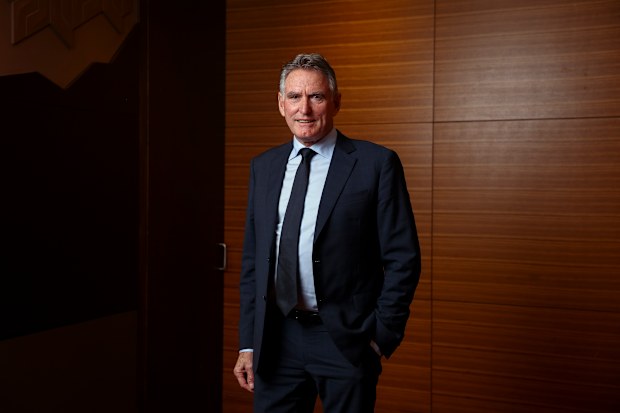
But business groups have warned state and federal governments against intervening with BHP chairman Ross McEwan among leaders who say it should be up to individual businesses to determine how they respond and that governments should not return to COVID-style policies including enforced WFH.
READ MORE: Chris Bowen Suggests WFH While Denying National Fuel Crisis
While Prime Minister Anthony Albanese has played down the IEA recommendations as “suggestions to the world” rather than specific to Australia, Energy Minister Chris Bowen on Sunday said the suggested measures were “a sensible thing to do in any environment,” noting, “work from home has become an important part of Australian working life”.
But Gurner warned Bowen’s comments sent the wrong signal to employees, at the wrong time.
“It likely cuts across the momentum that’s been building to bring people back, particularly in sectors where performance and output are tightly linked to being physically present,” Gurner told The Australian Financial Review.
“Short-term flexibility during specific events makes sense, but as a broad signal it risks slowing economic activity, reducing productivity, weakening culture and performance over time.”
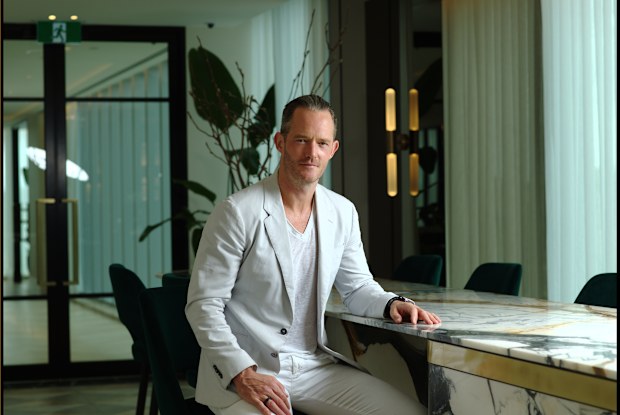
Lucas, who runs one of Australia’s largest hospitality empires, Lucas Collective, said the lesson from COVID-19 was that shutting down the country would only lead to more misery.
“Calling for WFH is a poorly considered reactionary move that would only further erode employment and the economy placing even more pressure on a faltering economy,” he said.
“I’m not sure anyone wants this. A more practical approach should focus on actions to ensure our economy and workers’ lives are not impacted,” he said. “Lowering interest rates, reducing inflation and government spending while also taking immediate steps to suspend all fuel excise during this period.”
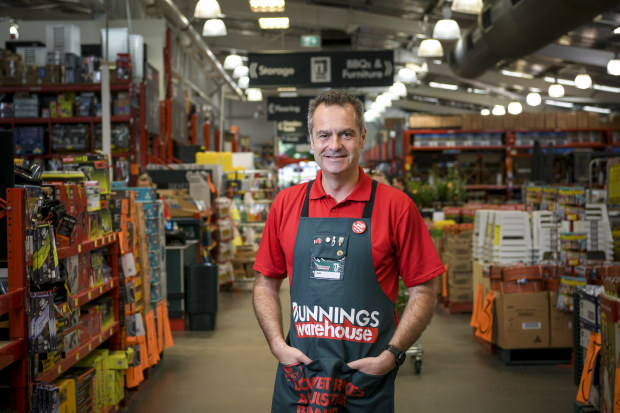
Schneider agreed it was too early for blanket calls on WFH. He said most of his staff could not work from home while most others had access to public transport and the company’s car fleet now includes electric vehicles.
“We are approaching this with common sense and reminding teams of other transport options,” he said. “Blanket calls to work from home overlook the fact that every business is different.”
Co-founder and chief executive of Luxury Escapes, Adam Schwab, simply said: “Can’t people get public transport or ride a bike in?”
McEwan said every business should assess this with their own employees to find the right balance. “Lots at play here with costs increasing and employees wanting to save money and employees wanting the workplace to stay vibrant and innovative,” he added. “Each workplace will be different.”
Bowen’s comments were also criticised by deputy opposition leader Jane Hume, who claimed he is deflecting attention away from the government’s failure to secure Australia’s fuel supply.
“Chris Bowen is saying: ‘It’s okay, everyone can work from home’, [but] it doesn’t work that way,” Hume said.“That isn’t going to be enough to solve the supply chain crisis.”
The WFH suggestion is particularly concerning for Melbourne businesses where the number of office buildings sitting empty has surged to a 30-year-high of 19.1 per cent in January, up from 17.9 per cent in July 2025 – the worst occupancy rate in Australia.
Victorian Premier Jacinta Allan has already promised to give workers a legal right to work from home for at least two days a week and said she supported working from home generally. “I support people’s right to work from home, which is why we’re making it law. It does save time. It does save money,” she said on Monday.
Chief executive of the Business Council of Australia, Bran Black, said that the government should not overreach. “I think we’ve just got to be sensible and smart here,” he said, noting that this was not the same as COVID-19 where people needed to socially isolate.
“If we can sensibly reduce our consumption by utilising public transport. Let’s do that. If there are employees who aren’t able to use public transport, then they’re going to have different arrangements apply.
“But when you can use public transport, where you can continue to come to work, and when you can, as a consequence of that, continue to support small business, then I would heavily encourage people to do that.”
Australian Industry Group chief executive Innes Willox said Australians have repeatedly been told there is no immediate fuel supply issue and there is no need to panic buy.
“Suggesting people work from home is counter to that message and only adds to a sense of dread and panic,” he says. “This is not the time for mixed messages. Panicky messages about working from home will only serve to do more damage to our economic fabric.”